Newsletter #4 | January - June 2026 |
|
|
|
Welcome to the latest edition of the Support4Resilience newsletter.
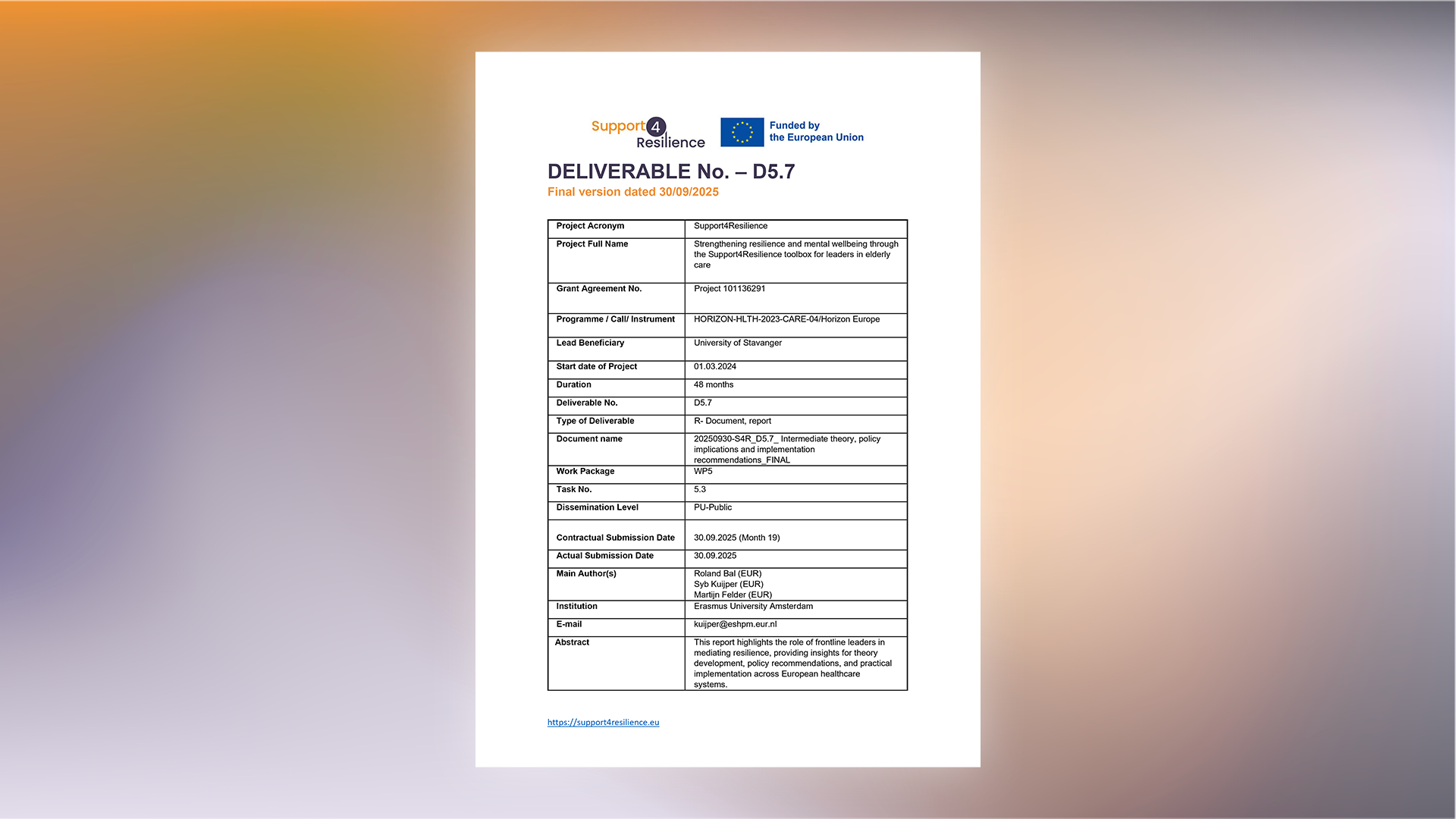
The first half of 2026 has been a productive period for the Support4Resilience project. Several project deliverables have now been approved and published, while implementation of the S4R Toolbox is progressing across participating countries through the Local Learning Collaboratives.
In this edition, you will find our latest approved deliverables, highlights from recent consortium activities, featured blog articles, and a look at the events where you can meet the Support4Resilience team in the coming months. |
|
|
|
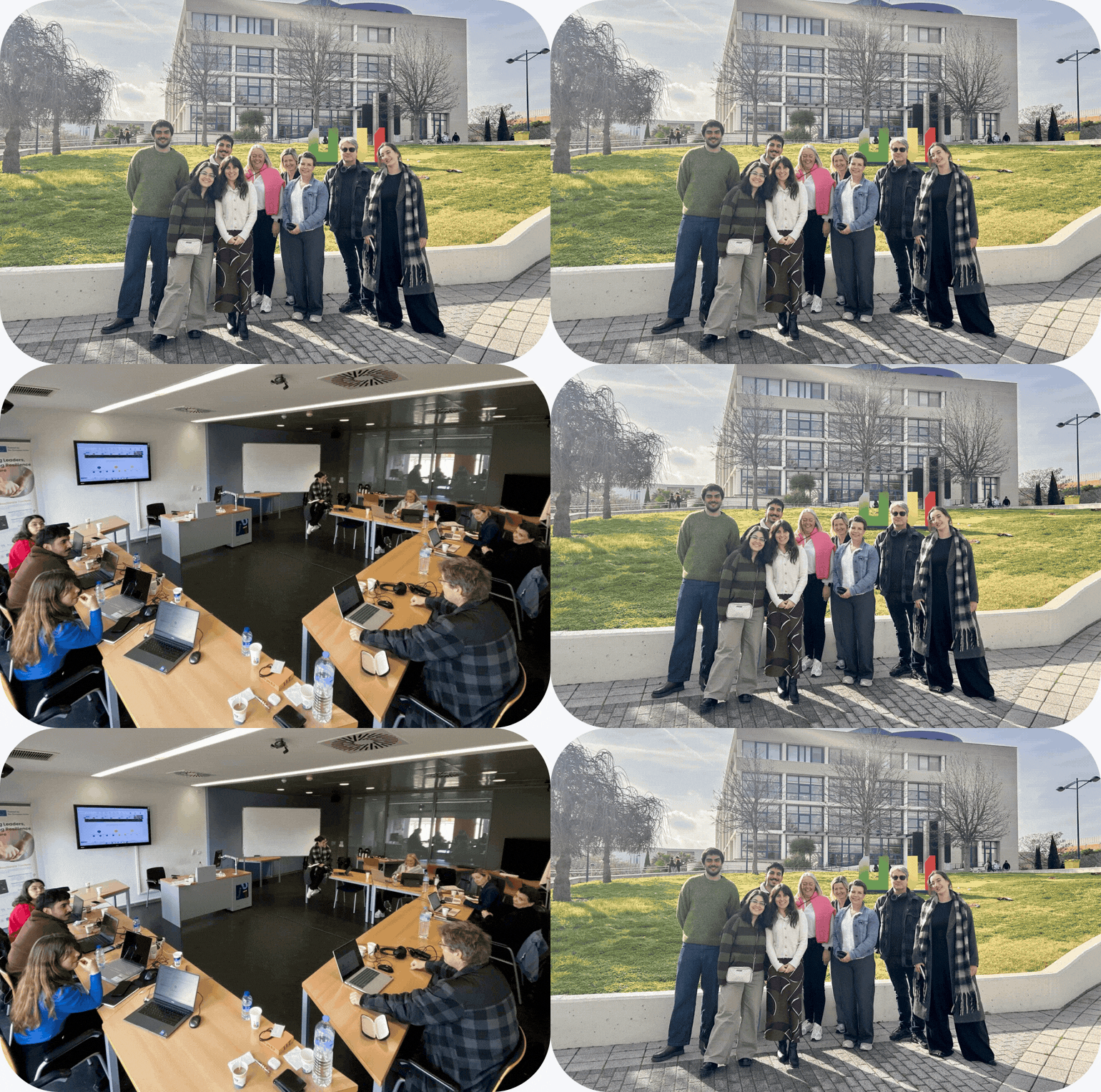
In January, partners from the University of Stavanger, the Norwegian University of Science and Technology, the University of Cyprus and FUE-UJI met in Castellón, Spain, for three days of collaborative work dedicated to refining the S4R Toolbox. The workshop focused on reviewing the tools, testing new features and gathering practical feedback ahead of the pilot phase.
The workshop formed part of WP3 and provided an opportunity to work hands-on with the Toolbox before its rollout across the participating countries. The improvements made during these sessions have helped ensure that the Toolbox is practical, user-friendly and tailored to the needs of leaders in elderly care. |
|
| |
|
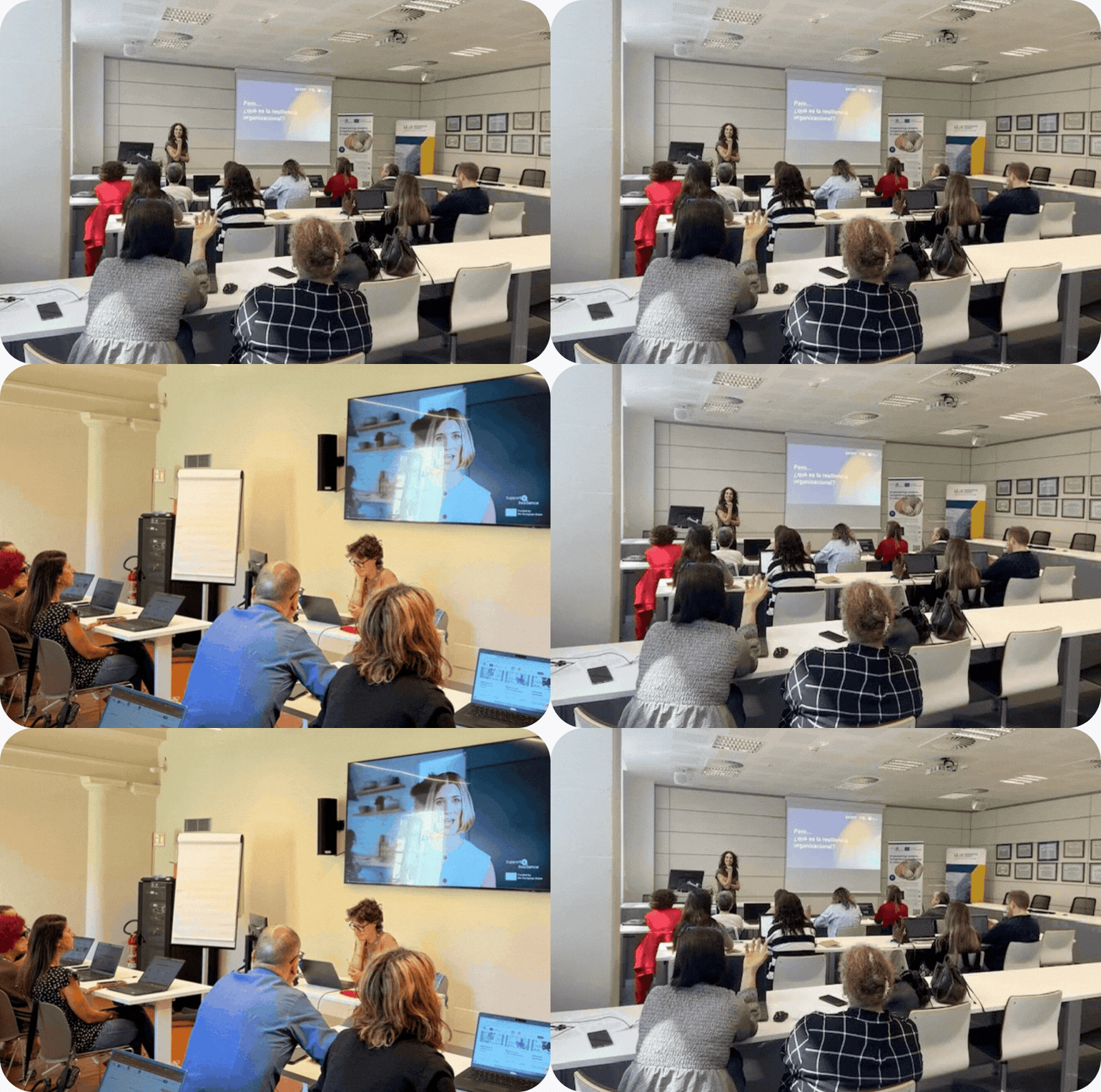
At the end of March, the Support4Resilience team gathered in Turku, Finland, for its annual face-to-face meeting, hosted by the University of Eastern Finland (UEF). Over three days, partners reviewed project progress, shared experiences and coordinated the next steps towards the implementation phase.
The meeting included hands-on workshops with the S4R Toolbox, discussions on WP4 implementation across six european countries (+Australia), valuable insights from the Expert Advisory Board, and an exchange of updates with our sister projects, APOLLO 2028 and WELL CARE.
|
|
| |
|
Implementing the S4R Toolbox across Europe |
Since the end of April, our partners have been carrying out Local Learning Collaboratives (LLCs) as part of the implementation of the S4R Toolbox. These structured working sessions bring together leaders and researchers to explore, test and reflect on the toolbox in real care settings across Norway, Finland, Romania, Spain, Italy and the Netherlands. Australia will join this process in August.
To date, more than 27 LLC sessions have been completed, providing valuable feedback to refine the toolbox while supporting organizations in strengthening resilience. |
|
| |
|
In this article, we explore how leadership can strengthen resilience in elderly care, drawing on a new systematic review conducted by the Support4Resilience team. By analysing 134 empirical studies, the review identifies the key factors that support resilience among healthcare workers, informal caregivers and care organisations.
The findings show that effective leaders play a central role in promoting trust, supporting staff wellbeing, improving teamwork and ensuring adequate resources. The review also highlights an important research gap, showing that more attention is needed to understand how leaders can better support informal caregivers. |
|
| |
|
|
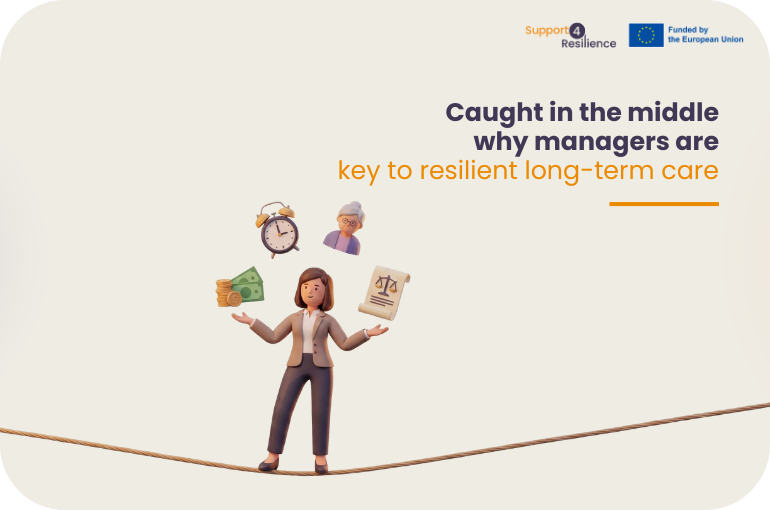
In this article, we explore the role of middle managers in strengthening resilience across long-term care systems, drawing on a comparative analysis conducted by the Support4Resilience team. Examining long-term care systems across seven countries, the study investigates how healthcare organisations are responding to workforce shortages through strategies such as ageing in place, service integration and technological innovation.
The findings show that middle managers play a crucial role in translating policies into everyday practice while balancing organisational priorities and the needs of care workers and patients. |
|
|
|
In this article, we explore the everyday experiences of healthcare workers in long-term elderly care, drawing on a qualitative study conducted by the Support4Resilience team. Based on focus groups with frontline professionals in Italian residential care facilities, the study examines how care is delivered in practice and the factors that support resilience in demanding care environments.
The findings highlight the importance of teamwork, supportive leadership and staff wellbeing in delivering high-quality care. Healthcare workers also call for greater involvement in decision-making, improved staffing levels and stronger psychological support. |
| | |
|
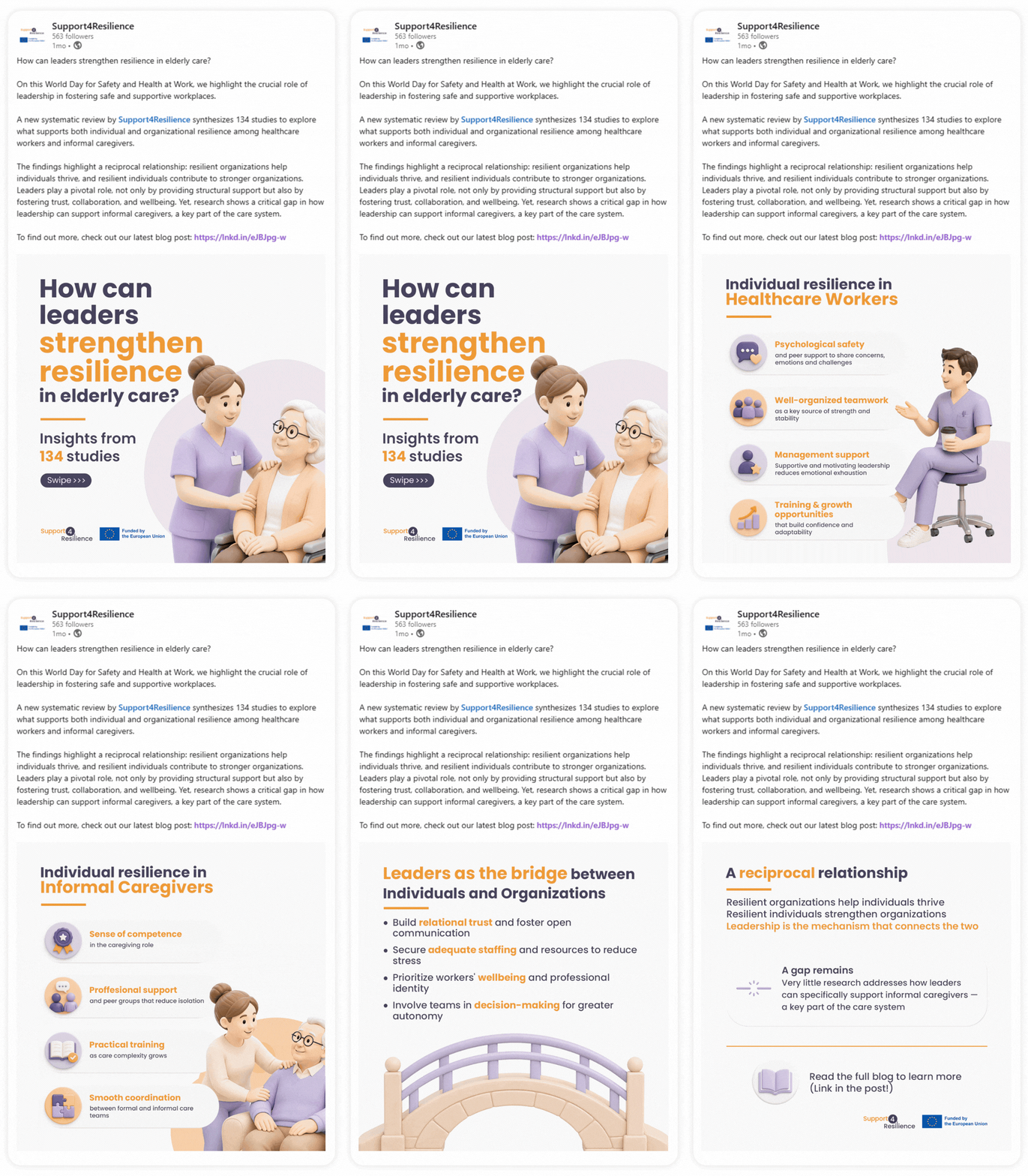
Our LinkedIn community continues to grow! Follow us for the latest updates and research findings! |
|
|
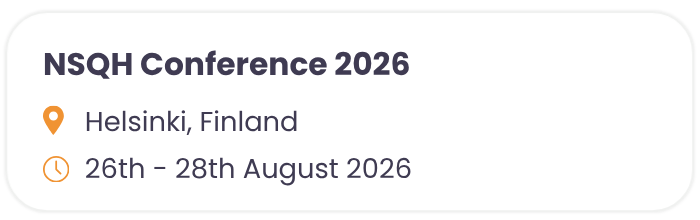
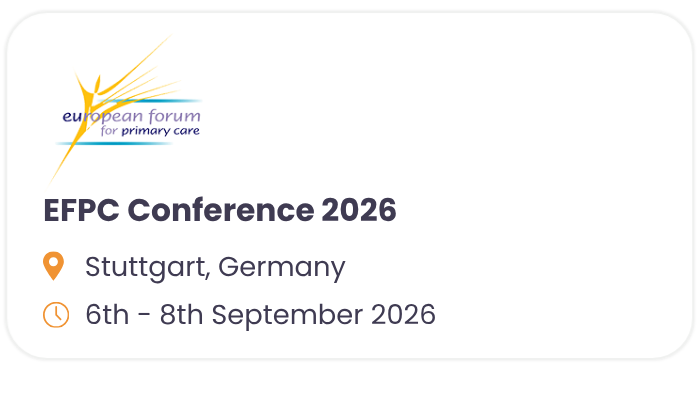
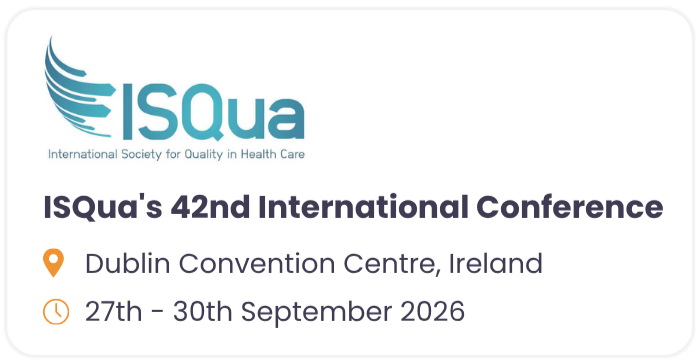
We look forward to meeting you at upcoming conferences and events where will be presenting our latest findings and the S4R Toolbox |
|
|
|
|