Newsletter #3 | June - December 2025 |
|
|
Happy New Year from the Support4Resilience team.
This issue looks back at the second half of 2025 and the progress made across the project, from our first peer-reviewed publications to new content and conference presentations. We also took key steps toward real-world use of the S4R Toolbox, including the WP4 kick-off in Stavanger and the start of the pilot phase in Norway. Explore the highlights below and follow the links to read and listen in full! |
|
|
| Three publications are out! |
|
|
This review identified 15 interventions for elderly care workers and informal caregivers. Results are mixed for workers, stronger for caregivers, and START is the only programme with cost-effectiveness evidence. |
- 5,700 studies screened
- 15 interventions included
|
|
This study compares seven countries facing rising demand and workforce shortages in long-term care. Many strategies repeat across systems, but what works depends on context and on middle managers who translate plans into practice. |
- 7 countries compared
-
Middle managers translate workforce strategies into local practice
|
|
This review synthesises 89 quantitative studies and maps factors from individual and team level to leadership, workload, resources, and policy. It suggests individual training can help, but sustained gains need workplace and system action. |
- 89 studies synthesized
-
Factors mapped across micro, meso, macro levels
|
|
|
In early December, th pilot phase began in Norway. The NTNU team held the first pilot workshop with healthcare leaders, supported by the University of Stavanger.
Participants engaged quickly with the S4R Toolbox and found it easy to use. Leaders also said the tools felt genuinely useful for their day-to-day work, a strong start to this new phase. |
| |
|
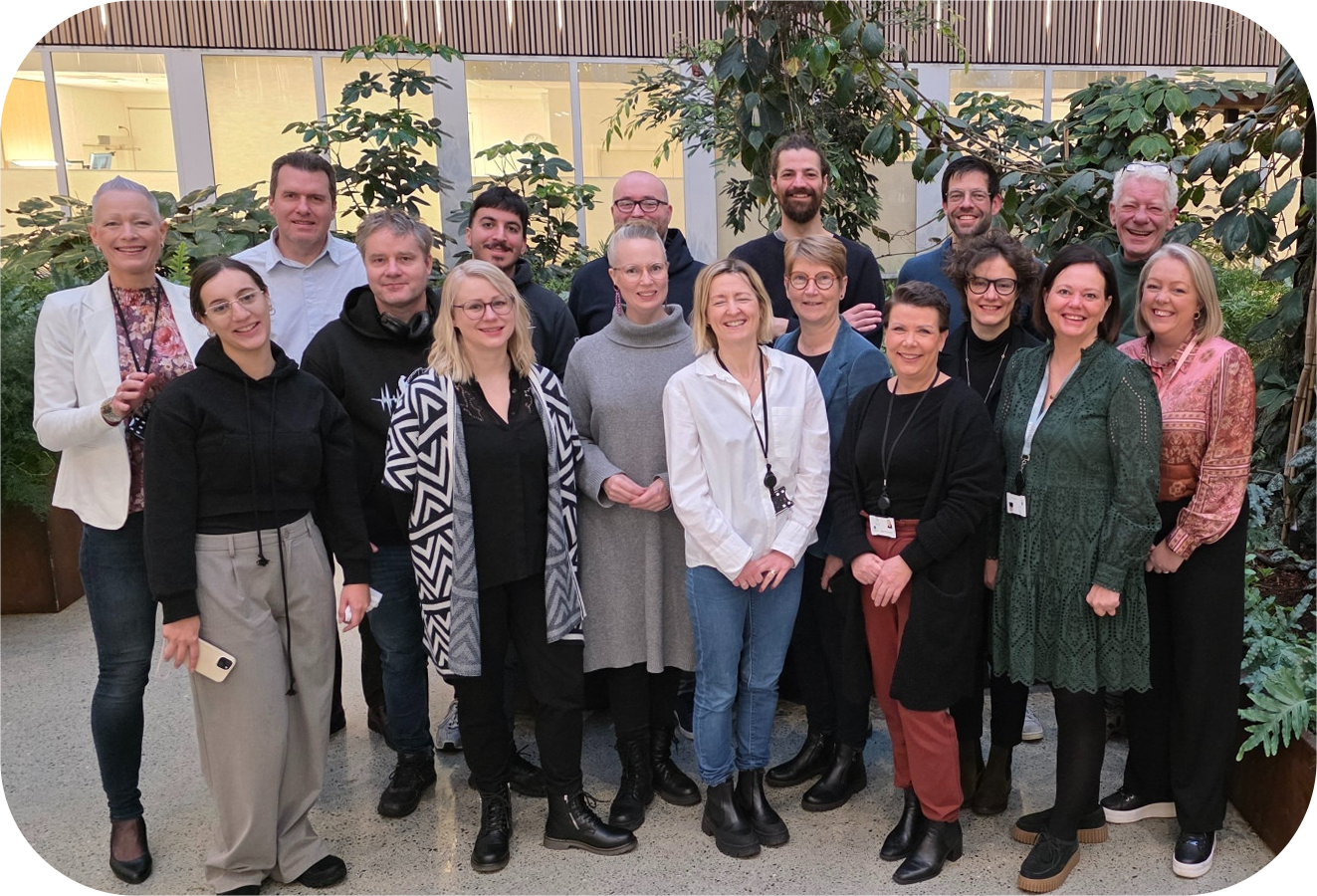
The Support4Resilience team met in Stavanger, Norway for the kick-off meeting of WP4, the work package that brings the S4R Toolbox into practice. Running from December to August 2027, WP4 will evaluate the toolbox in elderly care settings across six European countries and Australia, combining implementation with listening to leaders, healthcare workers, and informal caregivers. |
| |
|
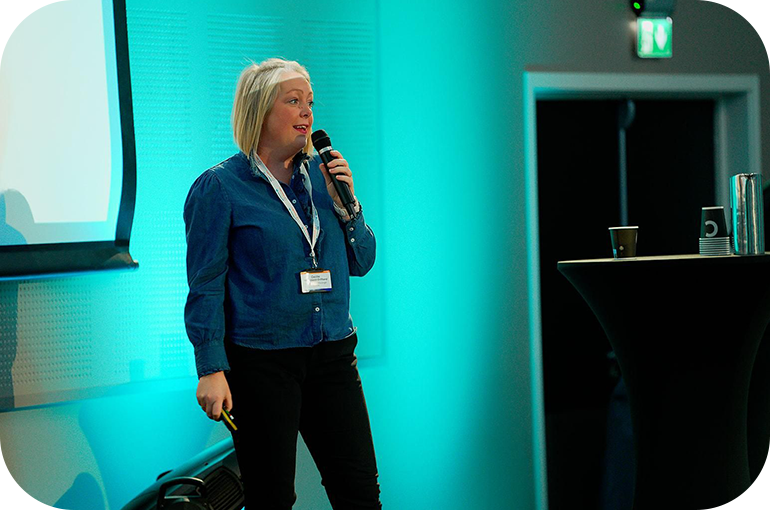
Support4Resilience took part in the National Patient Safety Conference 2025 in Norway, where Cecilie Haraldseid-Driftland contributed to both the plenary session and the leaders’ pre-conference.
In the plenary, she shared research-based insights on how health systems can sustain resilience amid workforce shortages, rising care needs, and growing uncertainty. In the leaders’ session, she presented the Support4Resilience project and what it takes to recruit and retain a strong healthcare workforce. |
| |
|
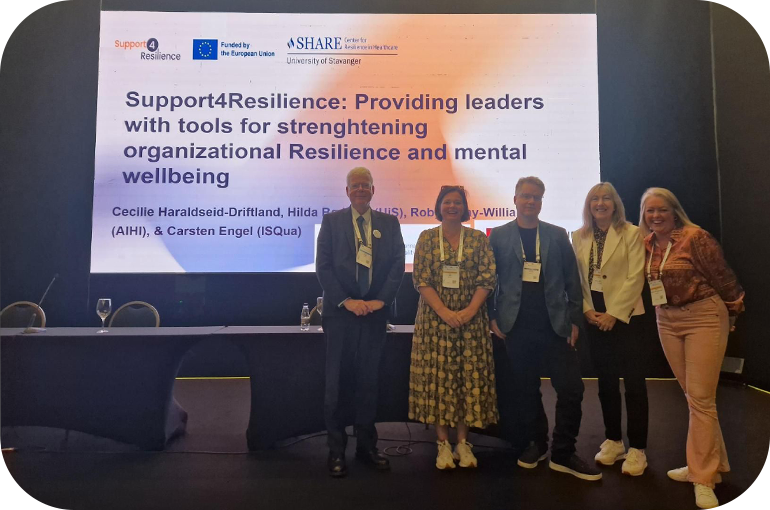
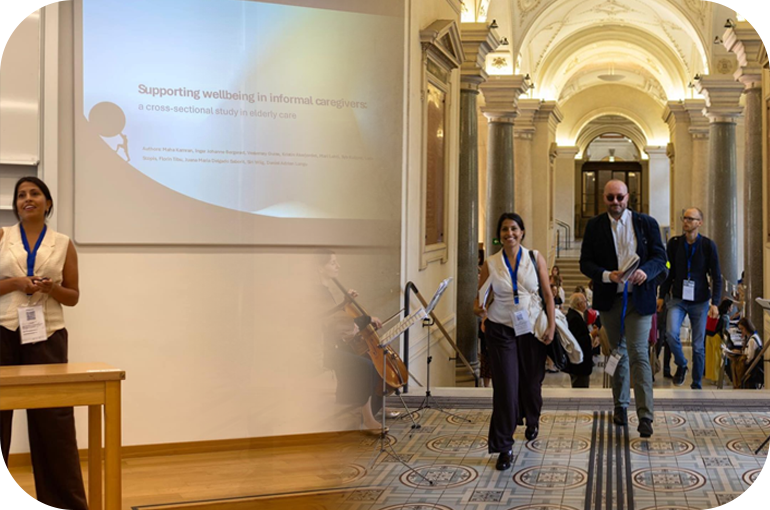
The team travelled to São Paulo to take part in ISQua’s 41st International Conference. We hosted a session presenting key research findings and discussed practical steps leaders can take to build healthier, safer workplaces.
The programme also included Kristian Odberg’s talk on stress and stress management in home care services, comparing workers’ and leaders’ perspectives. To close, Cecilie Haraldseid-Driftland, Hilda Bø Lyng, Robyn Clay-Williams, and Carsten Engel led an expert session on tools for strengthening organisational resilience and mental wellbeing, including hands-on time with selected elements of the S4R Toolbox.
|
| |
|
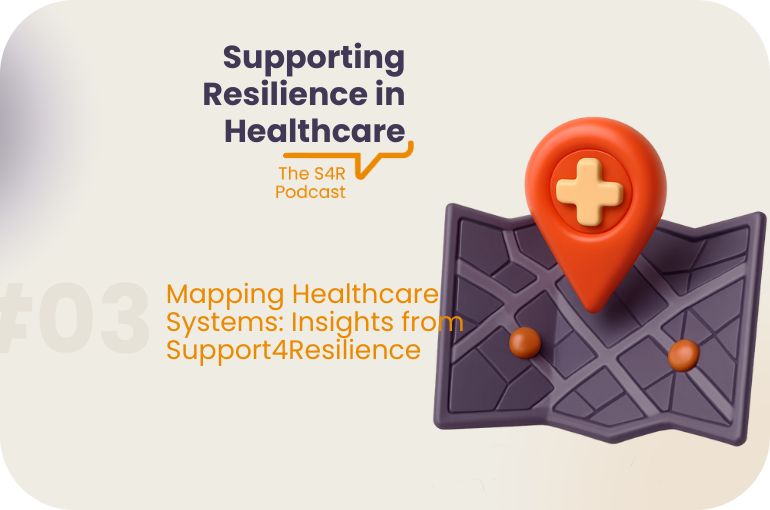
In the third episode of Supporting Resilience in Healthcare, we focus on a core step in Support4Resilience: understanding and comparing elderly care systems across Europe.
Hosts Shalini Frøiland and Hilda Bø Lyng talk with Dutch experts Roland Bal and Martijn Felder about context mapping, and why it matters for international research. They discuss how differences in regulation, decentralization, and informal caregiving shape resilience, and how these insights feed into the S4R Toolbox and support policy decisions.
|
| |
|
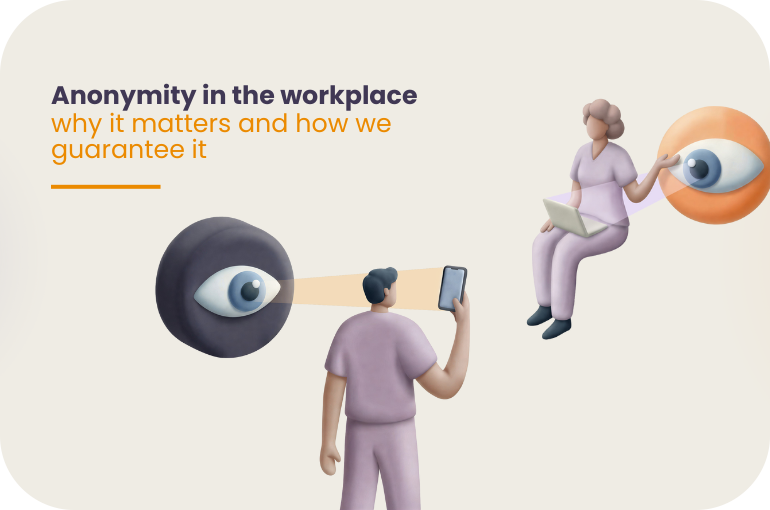
| Anonymity in the workplace
Why it matters and how we guarantee it |
In Support4Resilience, the University of Cyprus (UCY) leads the technical development of the S4R Toolbox, with a strong focus on privacy and data security. In our latest article, we explain how we apply privacy-by-design and GDPR principles, and what this means in practice for healthcare workers using the toolbox. |
|
|
Person-centred care in nursing homes Principles, challenges and the spanish model
|
Person-centred care (PCC) is widely discussed, but translating it into day-to-day practice in nursing homes is not simple. In this article, we break down what PCC means in elderly care, and which conditions make it possible inside care homes.
We also look at what is changing in Spain through the “life goal” model, and what Support4Resilience is learning from interviews with staff on the ground, including the often overlooked role of nursing assistants. |
| |
|
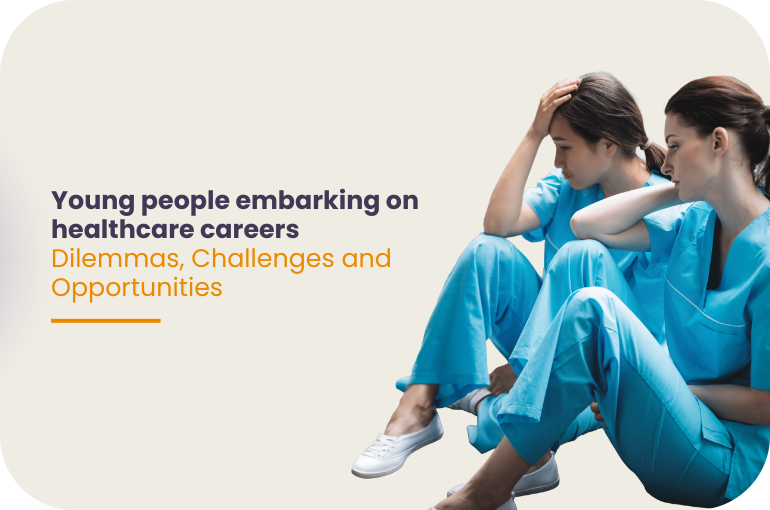
| Young People in Healthcare
Dilemmas and challenges |
Many health systems are counting on young people to join the workforce, but interest in several care professions appears to be falling. This article looks at why roles like nursing and care assistance may feel less attractive, and what that means for already stretched services. |
|
|
What’s true and what’s just a misconception about resilience-related challenges. In our #MythBusters series, we take on common questions and assumptions identified through the project’s research. Project partners analyze each myth using evidence. |
|
|
|